
Before You Buy Land in Nosara: Water, Title, Access, and Flooding
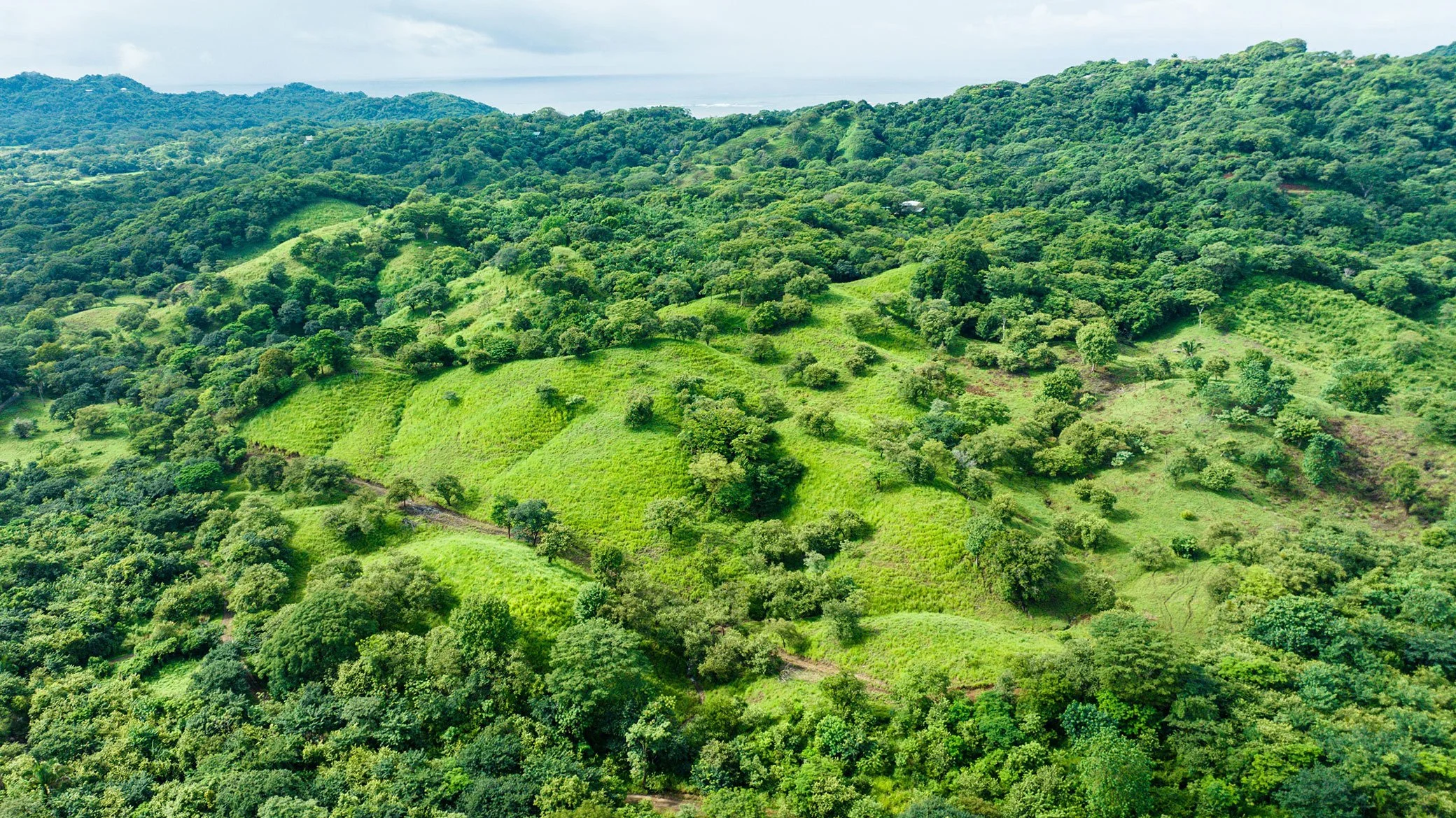
Nosara is easy to fall in love with. The problem is that falling in love with a place and doing proper due diligence on a piece of land in that place are two entirely different activities — and the gap between them is where expensive mistakes happen.
This post is a practical checklist for anyone seriously considering buying land in Nosara. It is not designed to discourage you. It is designed to help you buy well, with open eyes, so that the investment holds up over time.

The Four Things That Can Make or Break a Land Purchase in Nosara
1. Water
Water is the issue that experienced Nosara buyers mention first and most emphatically. The region has a distinct dry season (roughly December through April) during which rainfall disappears almost entirely. What that means for a property depends entirely on how that property is set up.
Questions to ask and verify independently:
Is the property connected to an ASADA (local water cooperative)? If so, what is the reliability and pressure record?
If there is a well, when was it last tested? What is the flow rate? Does it hold up in dry season?
Is there a rainwater catchment system? What is the storage capacity, and how has it performed historically?
Are there any recorded water disputes with neighboring properties?
Do not rely on seller representations alone. Hire a local hydrologist or water specialist to evaluate the actual supply for any land you are serious about.
2. Title
Costa Rica's property law is more complex than buyers often realize, particularly in coastal areas. There are several categories of land ownership, and they are not equivalent.
What to know:
Registered titled property (inscrita) is what you want. It means the land is registered in the National Registry and can be legally transferred.
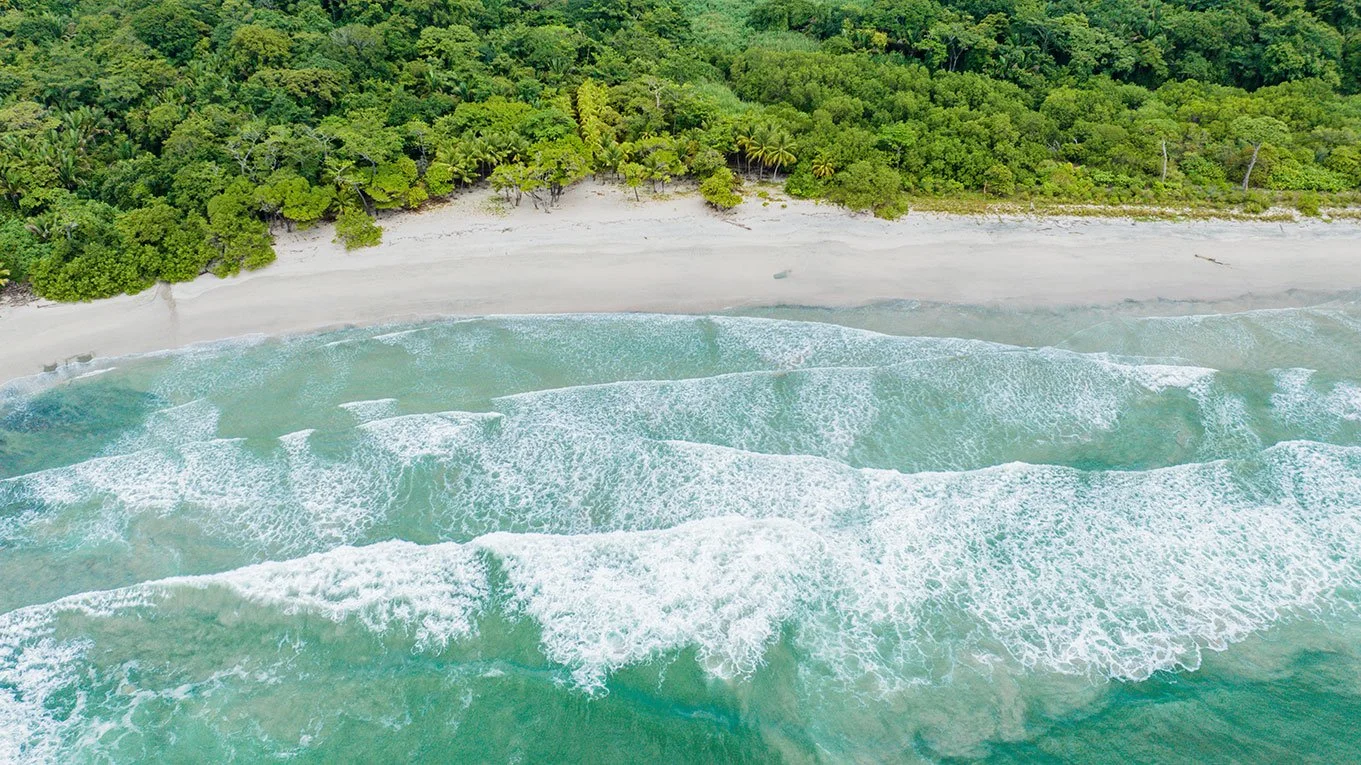
Maritime Zone (Zona Marítima Terrestre) covers the first 200 meters from the mean high tide line. The first 50 meters are public domain and cannot be privately owned. The next 150 meters (the restricted zone) can be subject to concessions granted by municipalities — but these are not the same as freehold title and carry different risks.
Untitled or "derechos" land means someone claims possession rights but does not have registered title. This carries significant legal risk and should not be purchased without extensive legal review.
What to do:
Hire a Costa Rican attorney who specializes in real estate — not a generalist, and not an attorney recommended exclusively by the seller.
Run an independent title search through the National Registry.
Confirm there are no liens, encumbrances, annotations, or pending legal proceedings on the property.
If the property is near the coast, confirm the maritime zone boundaries precisely.
3. Access
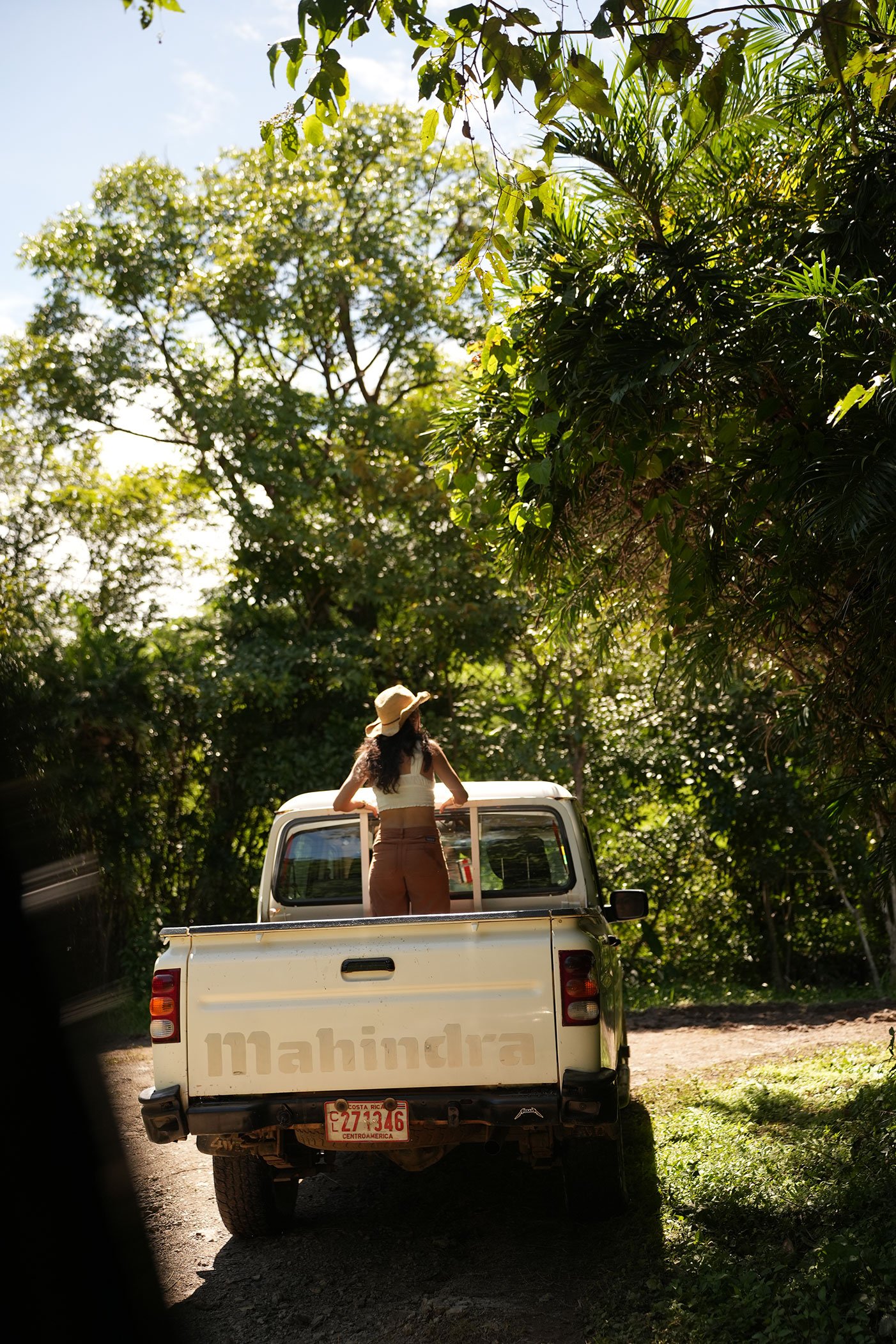
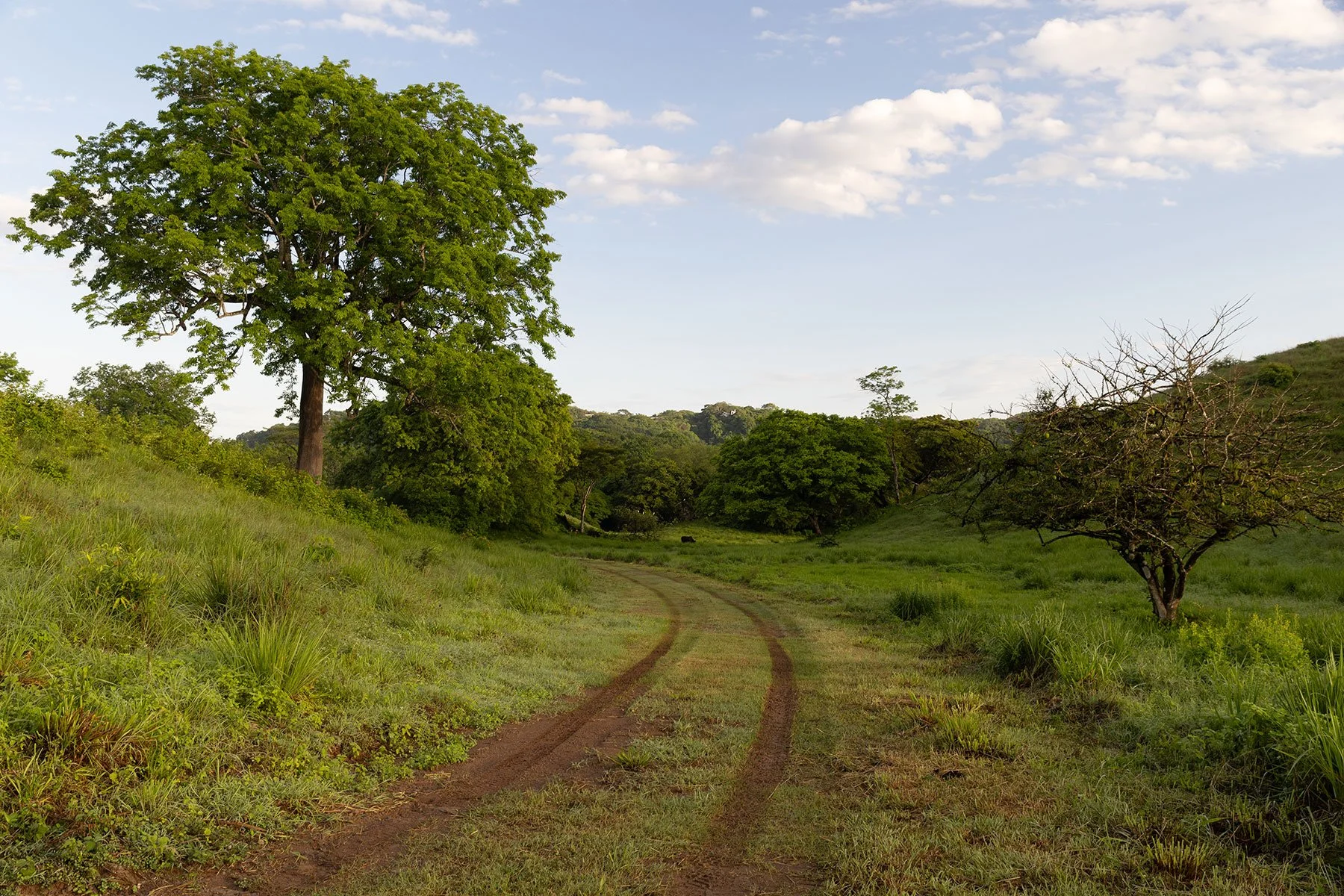
A beautiful piece of land that is difficult to reach in rainy season is a different investment than it appears. Nosara's road network ranges from well-maintained paved roads to steep dirt tracks that become impassable when wet.
Questions to ask:
What is the legal access to this property? Is there a registered easement (servidumbre), or is access dependent on crossing a neighbor's land informally?
What is the road condition in May, June, and October — the heaviest rain months?
How far is the property from paved road? What are the road maintenance responsibilities?
If the development promises road improvements, what is the legal commitment and timeline?
Drive to the property during rainy season if at all possible. Or ask for photos and video from someone who has done so recently.
4. Flooding and Drainage
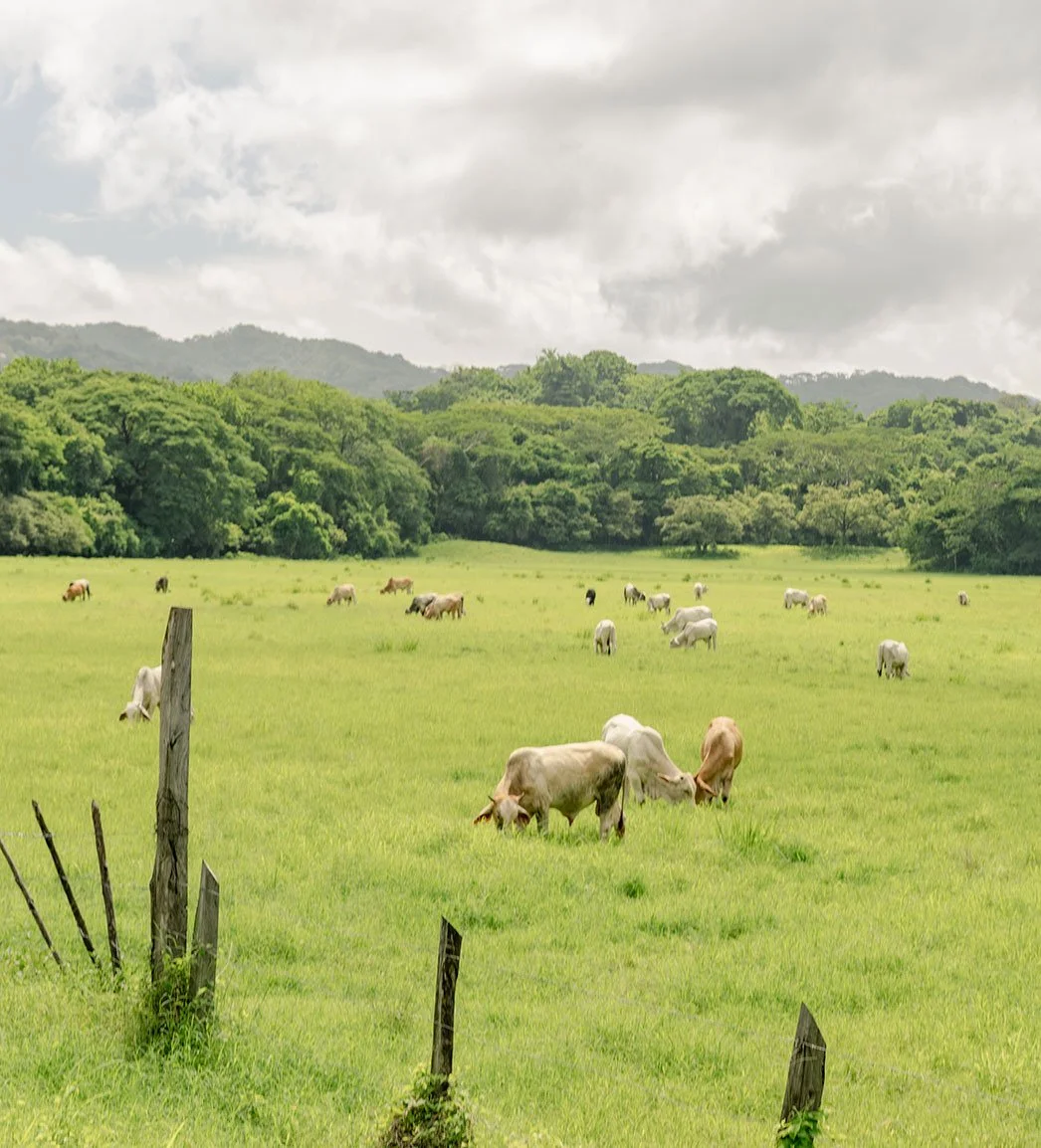
Nosara receives significant rainfall concentrated in a six-month wet season. Flooding and drainage issues are not uncommon, particularly for lower-elevation land near rivers or quebradas (seasonal streams).
What to verify:
Request topographical survey information. Elevation and slope matter.
Ask specifically whether the property or access road has flooded in recent years.
Look for evidence of erosion, silting, or drainage infrastructure.
Check whether the property is near a river or seasonal watercourse that could affect it.
Confirm that any planned construction will comply with setback requirements from waterways.
SENARA (Costa Rica's water and irrigation authority) and local municipality records can sometimes provide additional context on historical flooding.
A Practical Checklist Before You Make an Offer
Use this before engaging in serious negotiations on any Nosara land purchase:
☑ Independent title search completed by your own attorney
☑ Maritime zone boundary confirmed if within 500m of coast
☑ No liens, encumbrances, or annotations on the property
☑ Water source identified and independently evaluated
☑ Dry-season water performance confirmed
☑ Legal access confirmed with registered easement if needed
☑ Road condition assessed in wet season (or verified via documentation)
☑ Topographical survey obtained and reviewed
☑ Flooding and drainage history confirmed
☑ Permits and use restrictions (zoning) verified with municipality
☑ Environmental restrictions (national park buffers, protected species zones) confirmed
☑ Seller representations verified independently, not taken at face value

One More Thing: Who You Buy From Matters
The due diligence items above apply to any Nosara land purchase. But the developer or seller behind a project also matters in ways that go beyond the checklist.
A developer with a track record in the region, a clear legal structure, transparent disclosures, and accountability to existing owners is a meaningfully different counterparty than an individual seller or a new project with no track record. Ask for references from existing buyers. Ask what happens when something goes wrong.
Buying land in Nosara can be an excellent decision. Buying it without doing this work is how people end up with problems they did not expect.

Shift provides full legal documentation, water source verification, and due diligence support to buyers. If you want to understand exactly how a specific homesite is structured, talk to the team.