Retreat, Residence, or Real Life? The Difference Between Visiting Nosara and Living There
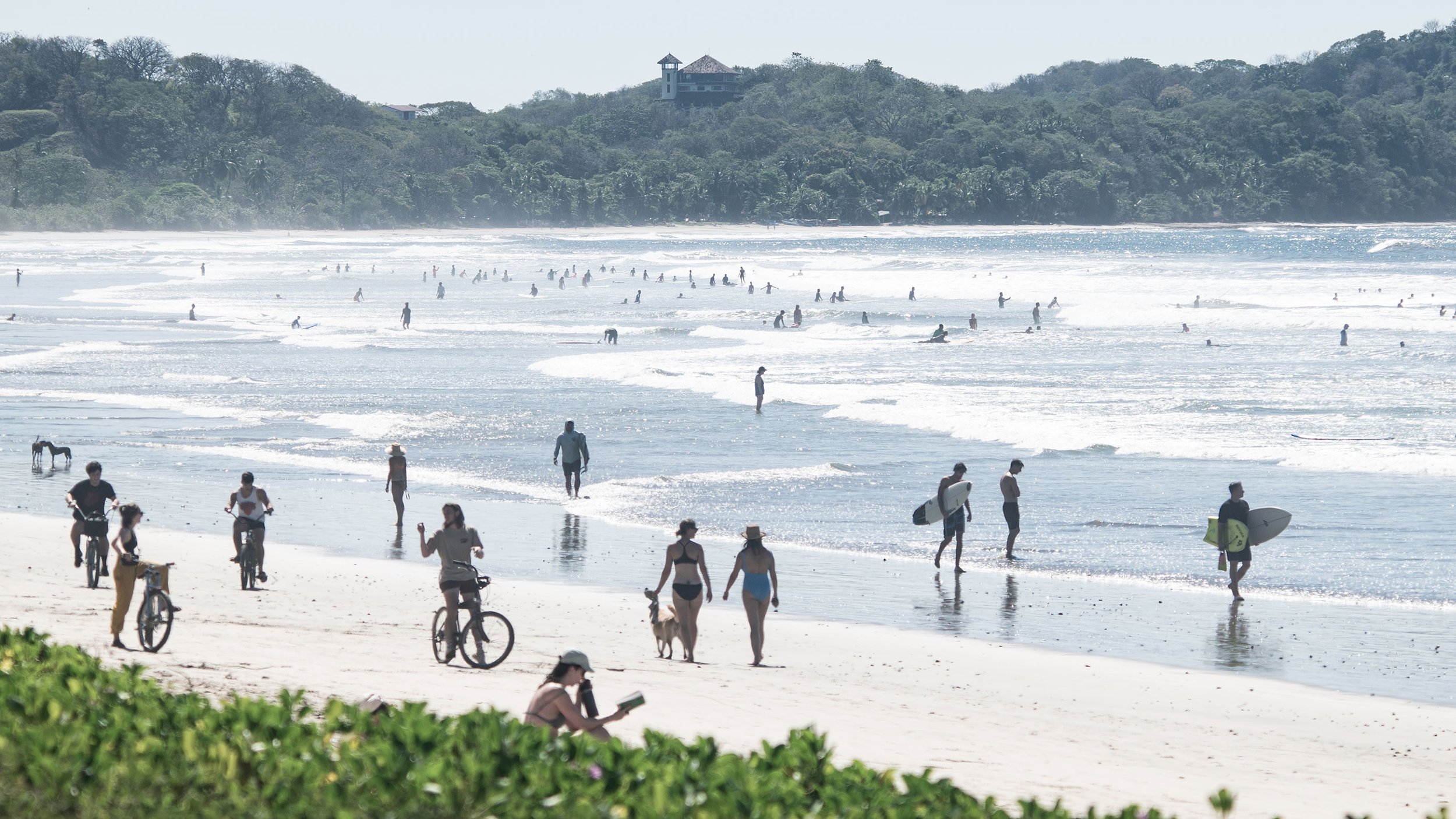
Nosara is easy to fall in love with in a week. The sunsets are real. The surf is real. The slower pace is real. The sense that something important has been stripped away and something better has taken its place — that feeling is real too.
The question worth asking is: what happens after the week ends?
This is not a warning. Plenty of people have moved to Nosara and built lives that are richer, healthier, and more intentional than what they left. But those people made a clear-eyed transition. They understood that the place they visited is related to, but not identical to, the place they would live.
What the Retreat Version of Nosara Offers
When you visit Nosara for a week or two, you experience a curated version of the place.
You stay somewhere comfortable, probably with good wifi and solid AC. You surf, do yoga, eat well, sleep more. The friction of your normal life disappears. Time moves differently. You meet interesting people at breakfast and do not have to deal with any of them past dinner if you do not want to.
This is genuinely valuable. There is nothing wrong with it. A good retreat can shift something in you that lasts.
But the friction that disappears on a retreat is real friction. It exists. You have just outsourced it.
What the Residential Version of Nosara Looks Like
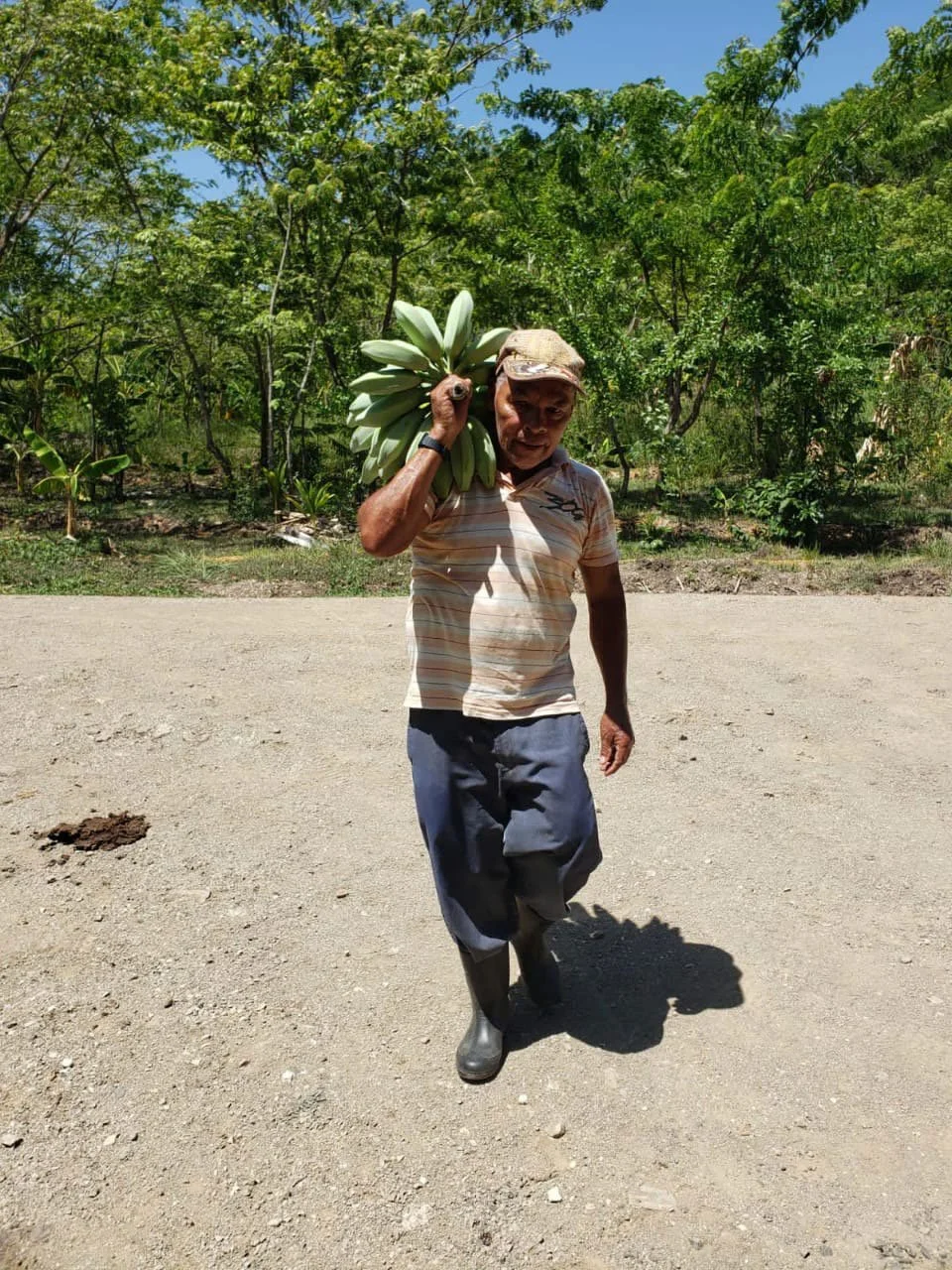
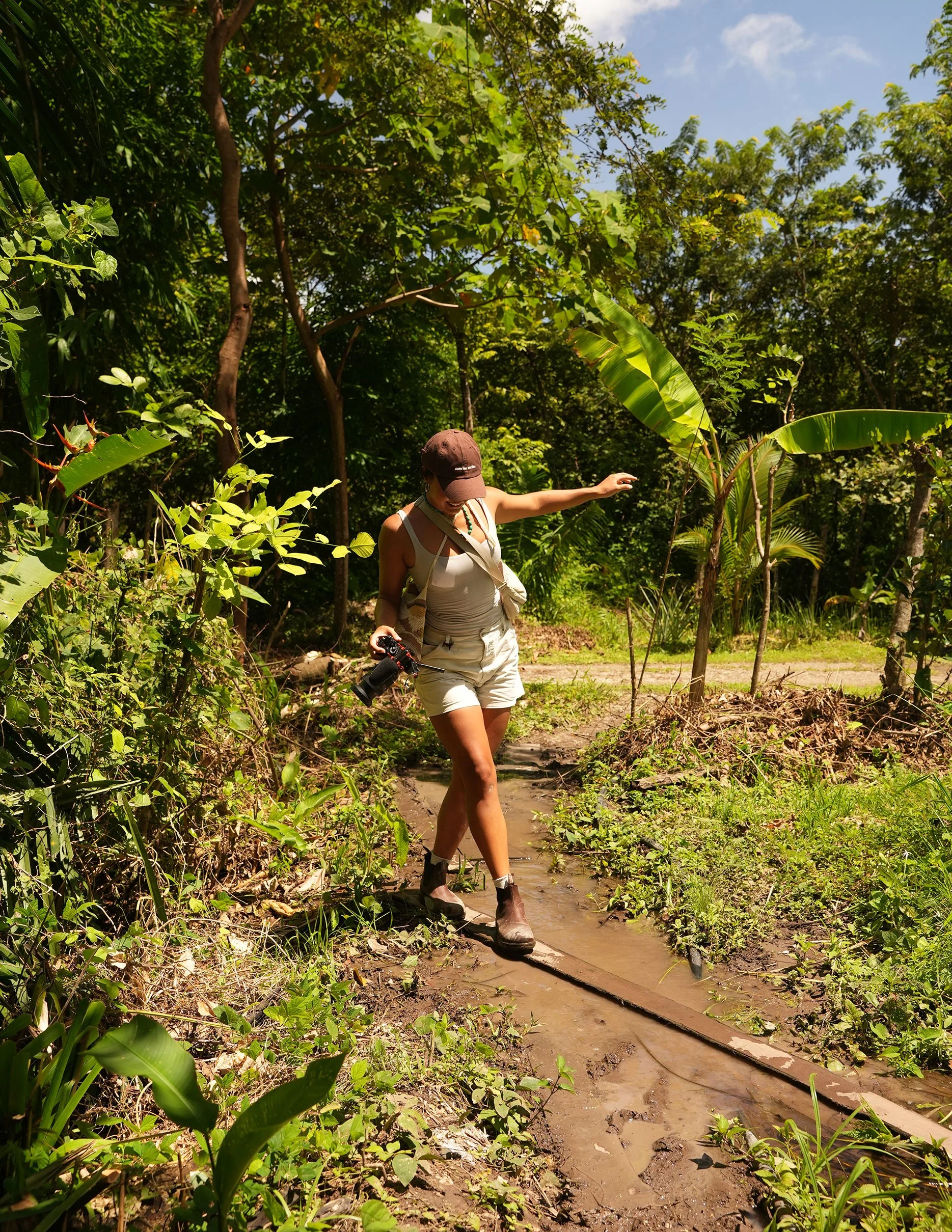
Living in Nosara means living with the actual conditions of the place — which are more complex, more interesting, and sometimes more demanding than a week suggests.
The roads. In dry season they are dusty. In wet season they can be muddy, slow, and occasionally impassable depending on where you are. If you live outside the central area, a 4WD vehicle is not optional — it is infrastructure.
The logistics. Nosara is not a small town in the sense of being limited. It has grown significantly in the last decade. But it is not a city. Major shopping, specialized medical care, and many services require a drive to Nicoya, Samara, or further. Amazon delivers, but not overnight.
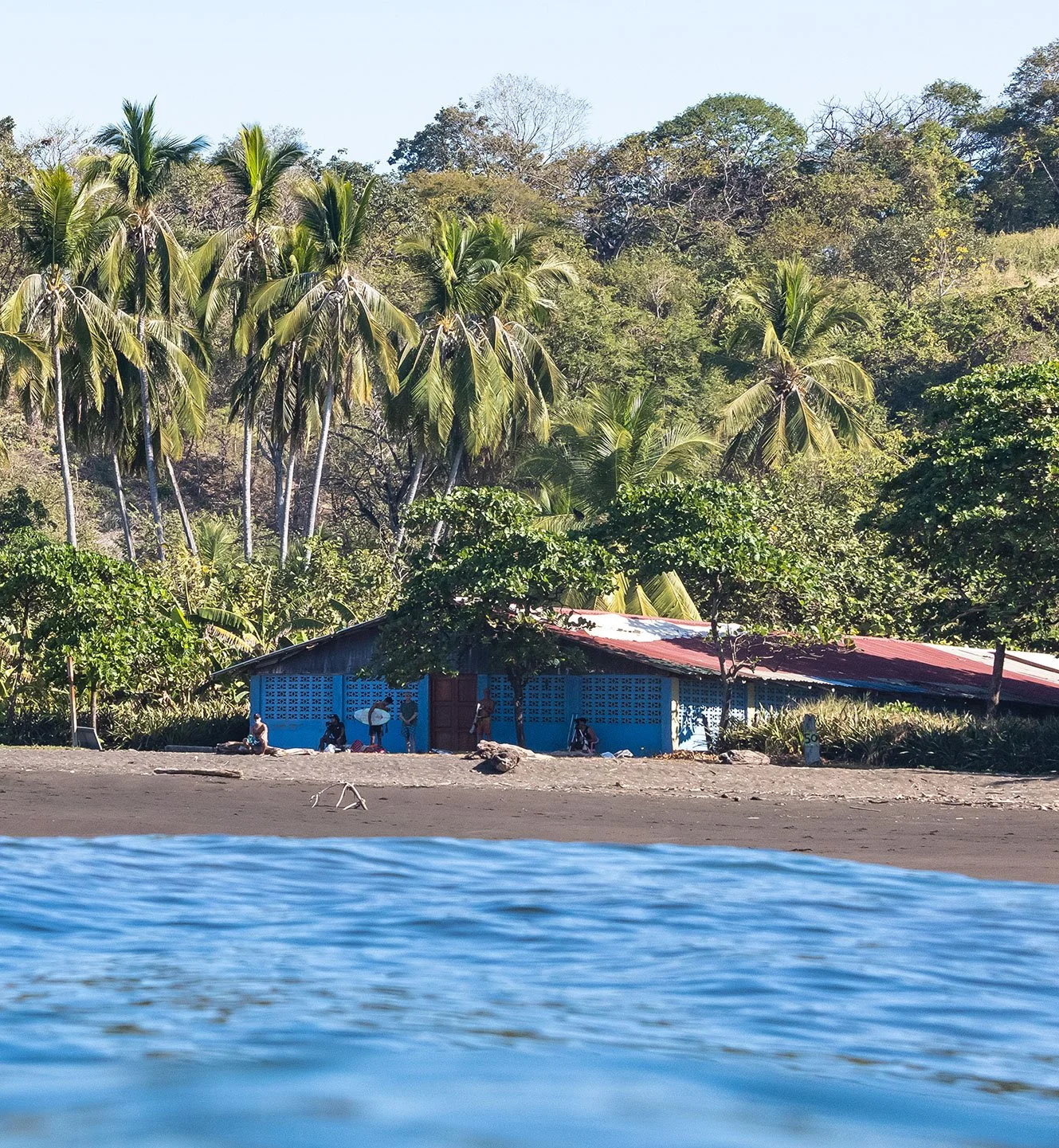
The weather. The dry season (December through April) is the version of Nosara that photographs well. The wet season (May through November) is real Costa Rican jungle: rain, heat, mud, bugs, and a kind of lush green intensity that is beautiful but not tropical postcard.
The pace. "Pura vida" is a real cultural orientation, not just a bumper sticker. Things run on their own timeline. Contractors are often late. Plans change. If your baseline stress response to delays is high, adjusting takes real work.
The community. The Nosara expat community is active, diverse, and genuinely engaged. There are long-term residents who have built serious lives there, run businesses, raised kids, and put down deep roots. There are also seasonal people, short-term renters, and a constant stream of newcomers. The community you build there is something you actively create — it does not come automatically with the zip code.
The Questions That Distinguish Visitors From Residents
If you are considering the move from retreat to residence, here are the questions worth sitting with honestly:
What are you actually moving toward? "Away from something" is a real motivation, but it does not tend to hold. The friction you are running from usually follows you, in some form. The people who thrive in Nosara long-term tend to have a clear vision of what they are building, not just what they are leaving.
What does your income situation look like? Nosara is not cheap to live in well. The cost of living is lower than most US and European cities in some areas and comparable in others. If your income is remote, location-independent, or in US dollars, the economics work. If not, they require real planning.
How do you feel about being far from your existing network? This one is underestimated. Nosara is a 4-5 hour flight from the US East Coast. That is close enough to visit regularly, far enough that spontaneous connection with old friends and family becomes harder. The people who handle this best either have family willing to visit, are building a new primary community in Nosara, or have genuinely reached a point where physical proximity to their old life matters less.
What does your relationship with healthcare look like? Nosara has improving local medical options and a good clinic. For anything serious, you will go to Liberia, San José, or home. If you or a family member have significant medical needs, this requires honest planning.
Can you handle the unknown? Things break. Permits take time. Projects go sideways. Infrastructure that you assumed was reliable turns out not to be. The people who love Nosara long-term tend to have a high tolerance for improvisation and a genuine preference for problem-solving over predictability.
Retreat and Residence Are Not In Conflict
This is not an argument against the retreat experience. It is an argument for being honest about which one you are considering.
A week in Nosara can genuinely show you something real about the kind of life that is possible there. The people, the pace, the environment — these are not manufactured. They are real enough to build a life around.
The transition from visiting to living asks you to want the whole thing: the dust and the sunsets, the logistics and the surf, the community work and the community rewards.
The people who make that transition well tend to have one thing in common: they did not move to Nosara because it looked beautiful. They moved because it made sense — in the specific, practical, financial, relational, seasonal way that a real decision about a real life needs to make sense.


If you are somewhere between retreat and residence — seriously considering what it would take to put down roots in Nosara — come spend real time at Shift. Walk the land. Talk to people who live here full time. Ask the questions that do not come up on a week-long trip.