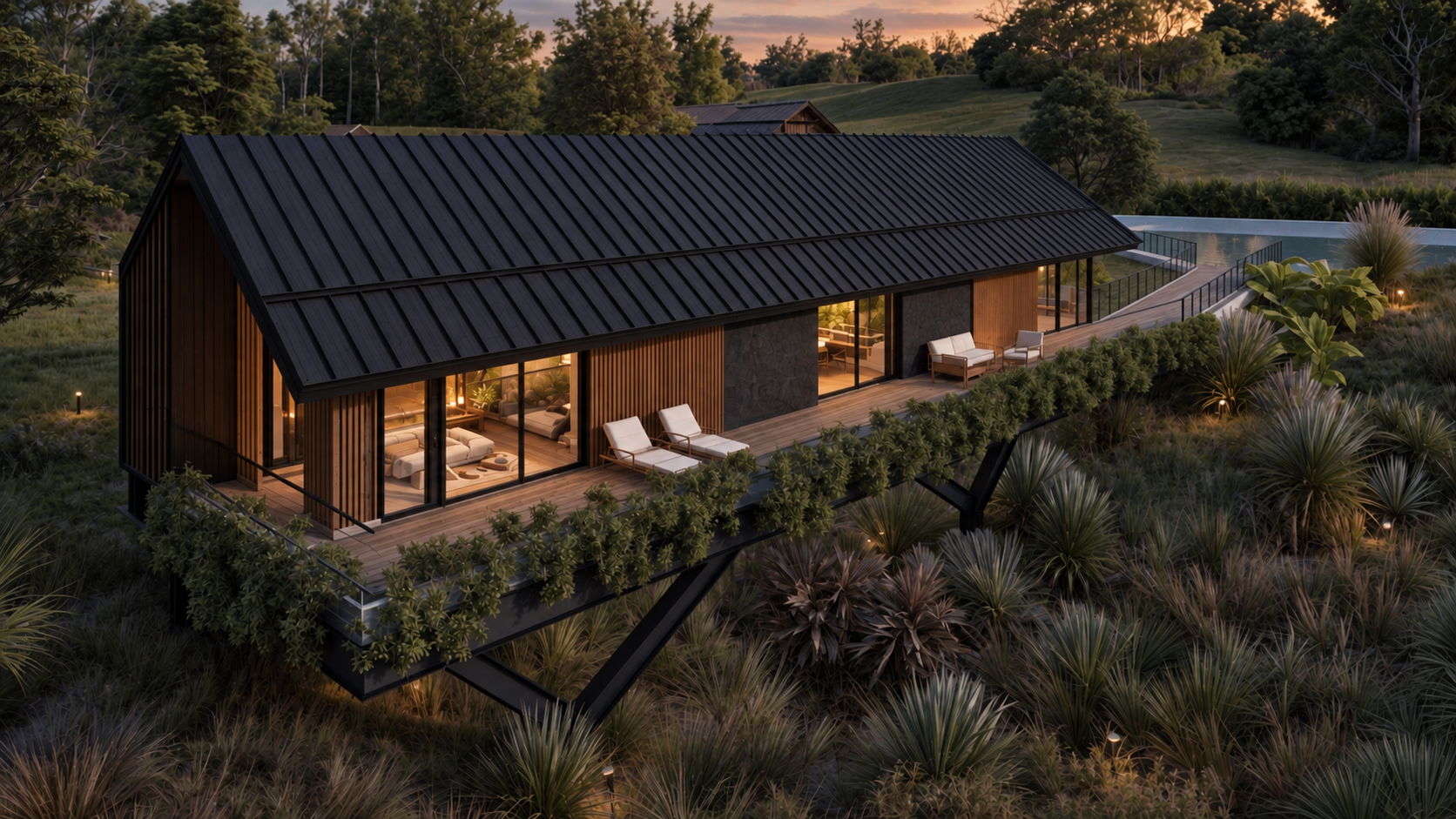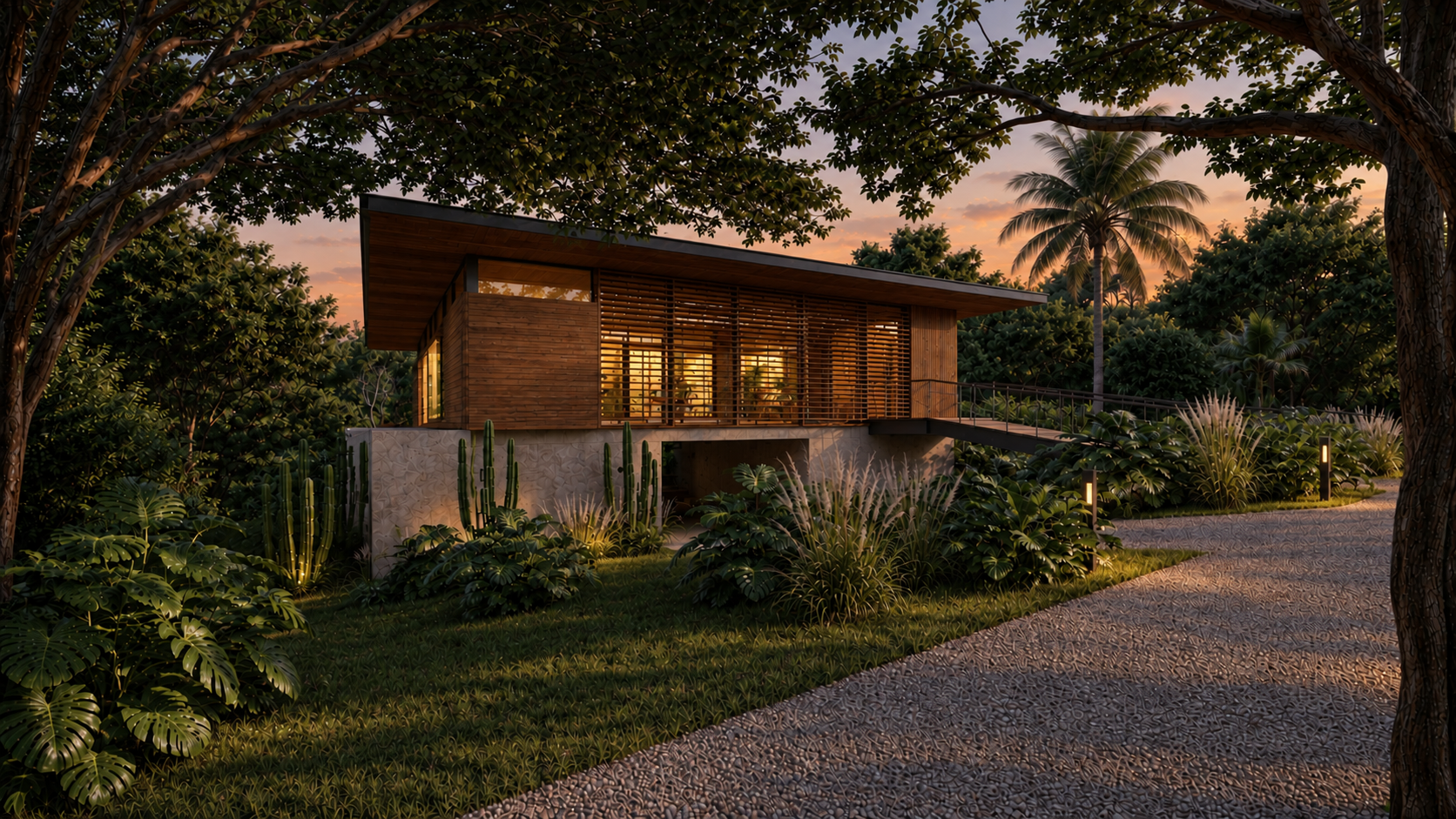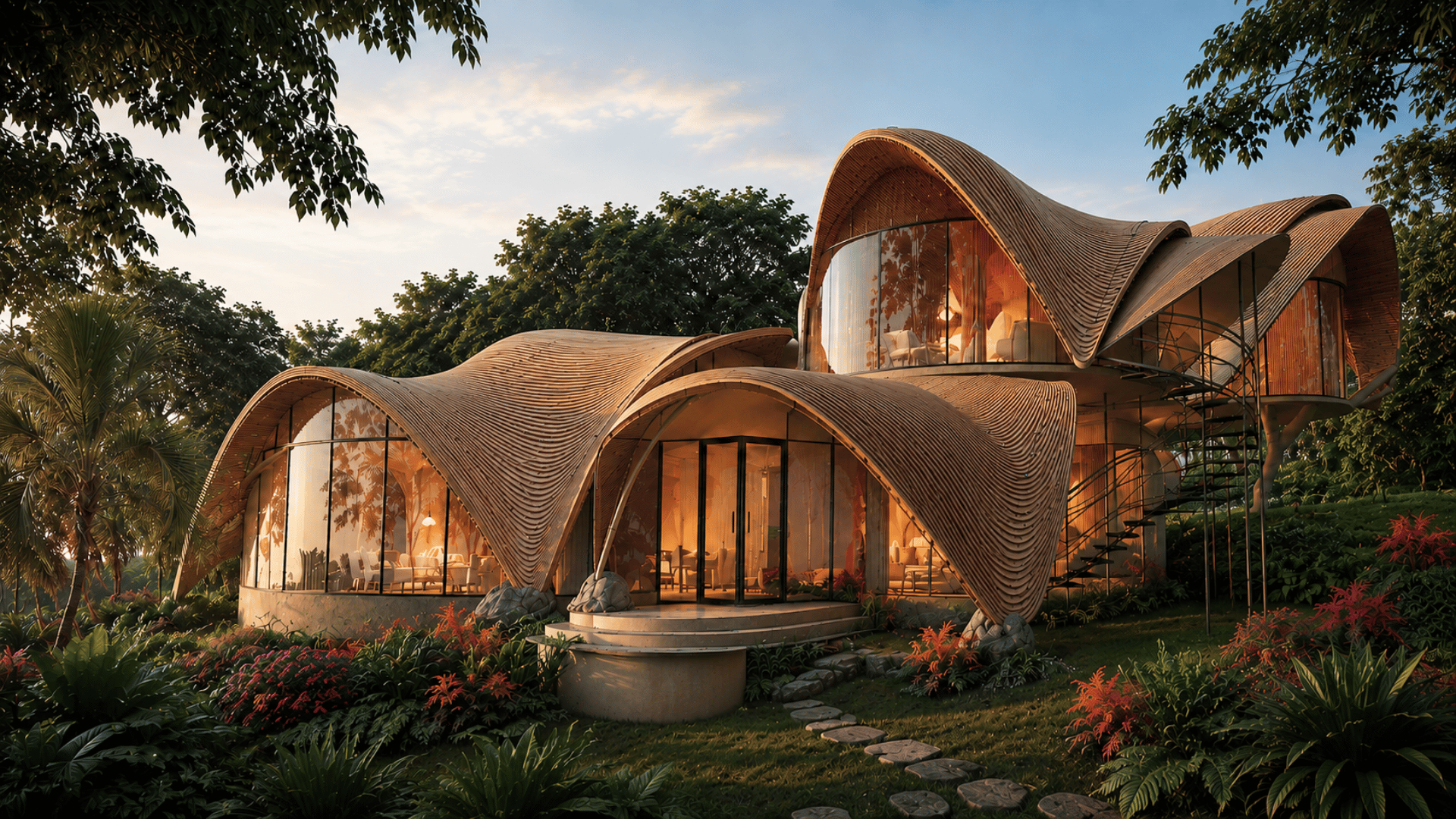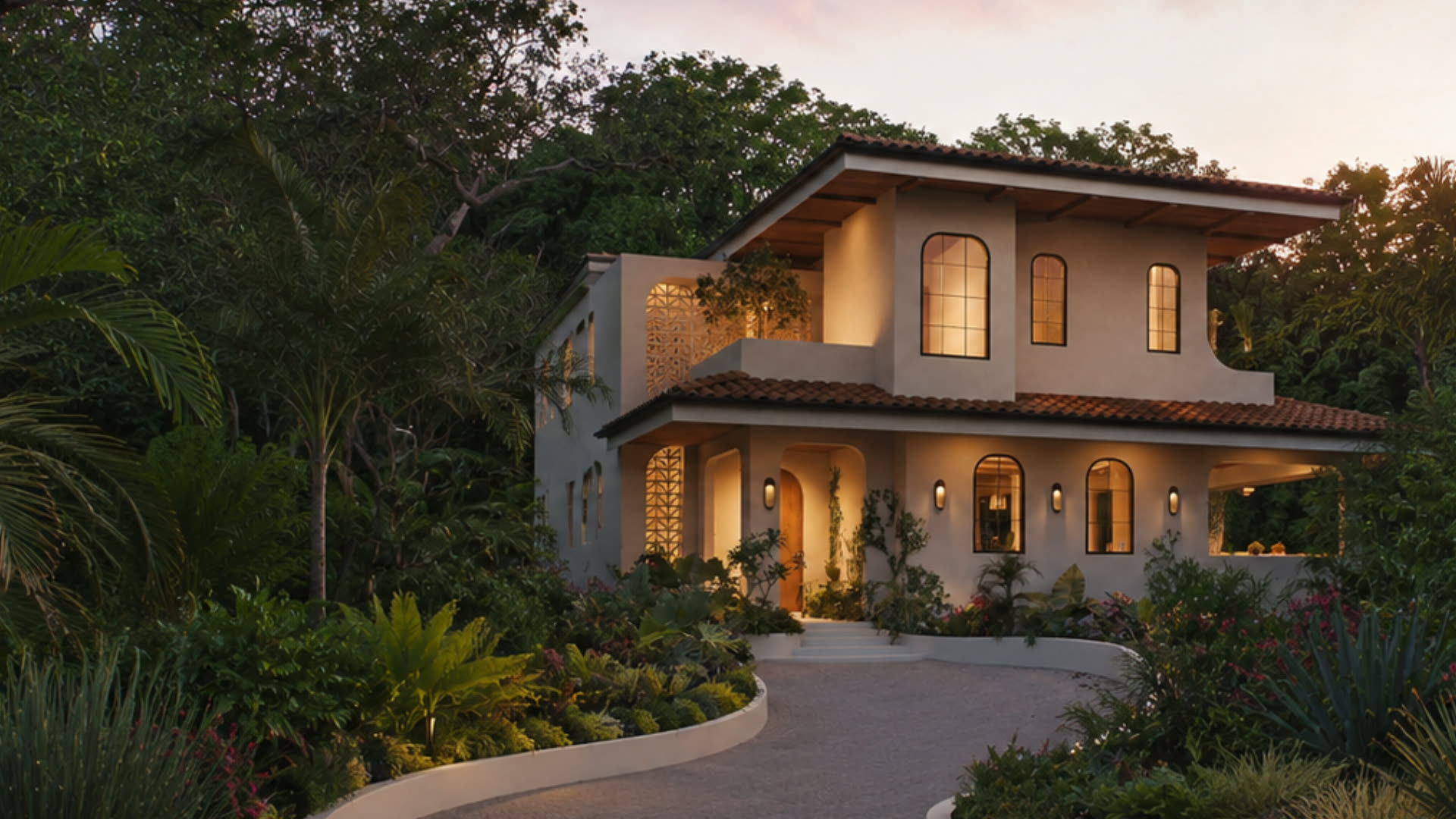



Casa Iki
Starting at $1,060,000
Finca La Esperanza
Finca La Esperanza exists to grow food and medicine for the Shift Esperanza community. It is a working regenerative farm at the heart of the land, where agroforestry, water stewardship, soil building, and human care come together to create an abundant living system.
Every harvest begins with the health of the place it comes from. Fruit trees, staple crops, support plants, rainfall, compost, and skilled hands all have a role to play. The result is food grown close to home in a landscape that becomes richer with every season.
At the Heart of Shift
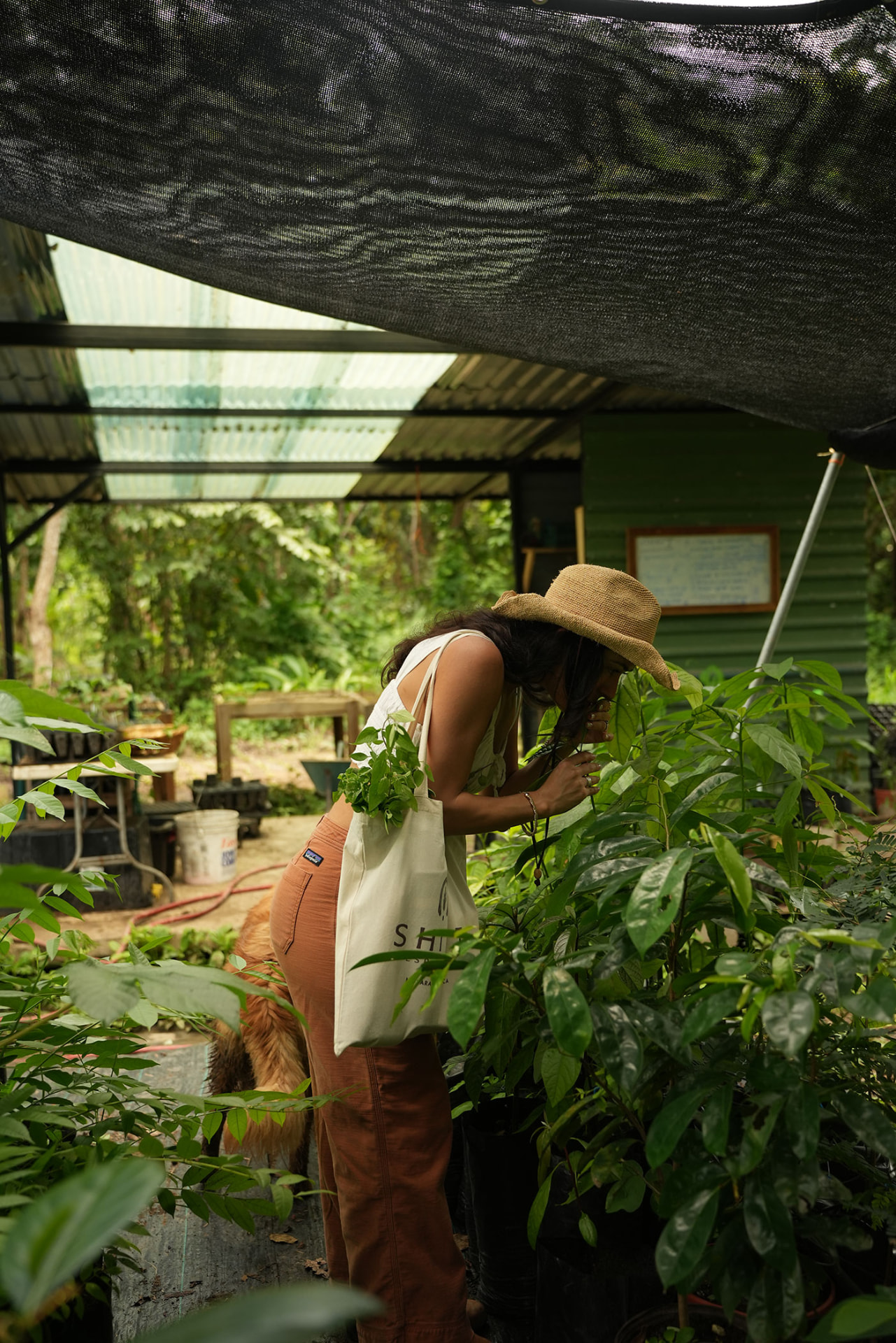
Finca La Esperanza is part of the foundation of Shift. It shapes how water moves through the property, how soil is restored, how organic material returns to the land, and how the community connects with its food.
The farm is designed to become an essential part of daily life. Its produce can move from field to home kitchen, shared table, and fine dining experience. Its living systems create shade, habitat, soil fertility, and a deeper connection between the people who live here and the land that supports them.
At the farm headquarters, the working systems are already in place. A plant nursery, composting and soil fertility area, rainwater catchment, equipment storage, and the farm team’s daily operations provide the base for a landscape that is growing in both productivity and complexity.
Agroforestry by Design
Finca La Esperanza was designed with the patterns of the Equatorial dry forest in mind. The farm brings together a diversity of plant species at different heights, with different growth rates, and with different roles in the system. This creates the layered structure, changing light, and ecological productivity of a healthy forest, with food growing within it.
Pioneer species thrive in sunlight and help establish new growing conditions. Productive species such as plantain, banana, papaya, cacao, citrus, jackfruit, avocado, mango, breadfruit, and pineapple provide food over different seasons. Support species create shade, organic matter, and better soil conditions for the plants around them.
The system changes beautifully over time. Fast growing crops offer early harvests. Young trees build the next layer of shade and productivity. Long lived canopy trees strengthen the farm for future seasons. Each plant contributes to a living relationship between food, biodiversity, water, and soil.
Fruit trees and staple crops provide fresh food through the seasons.
Plants that build soil, create shade, produce biomass, and support the harvest.
Plants at different heights use light, space, and time in complementary ways.
A system that changes as plants grow, creating new harvests and new habitat over time.
Soil is the Start of Everything
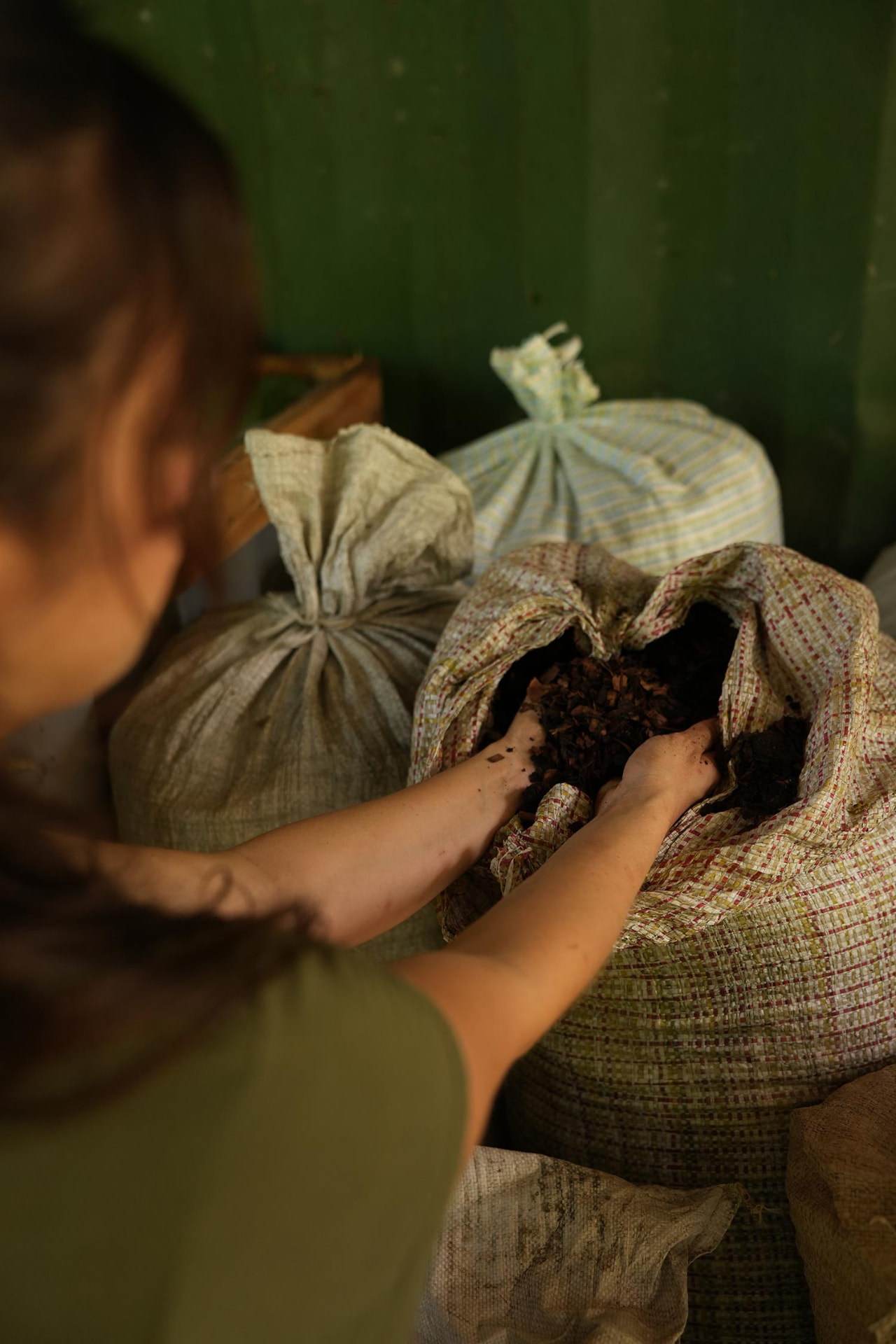
Healthy soil is the farm’s greatest asset. Selective pruning brings more light into the system and creates plant material that returns to the ground as mulch. That organic matter protects the soil, adds nutrients, holds moisture, and creates a richer environment for roots and beneficial life below the surface.
Composting turns organic residues into fertility for the next growing cycle. Cover crops, support plants, and deep rooted grasses build structure into the soil while helping the farm retain water and protect itself through the changing seasons. The farm is designed to build its own capacity for abundance from the ground up.
Slow. Spread. Sink.
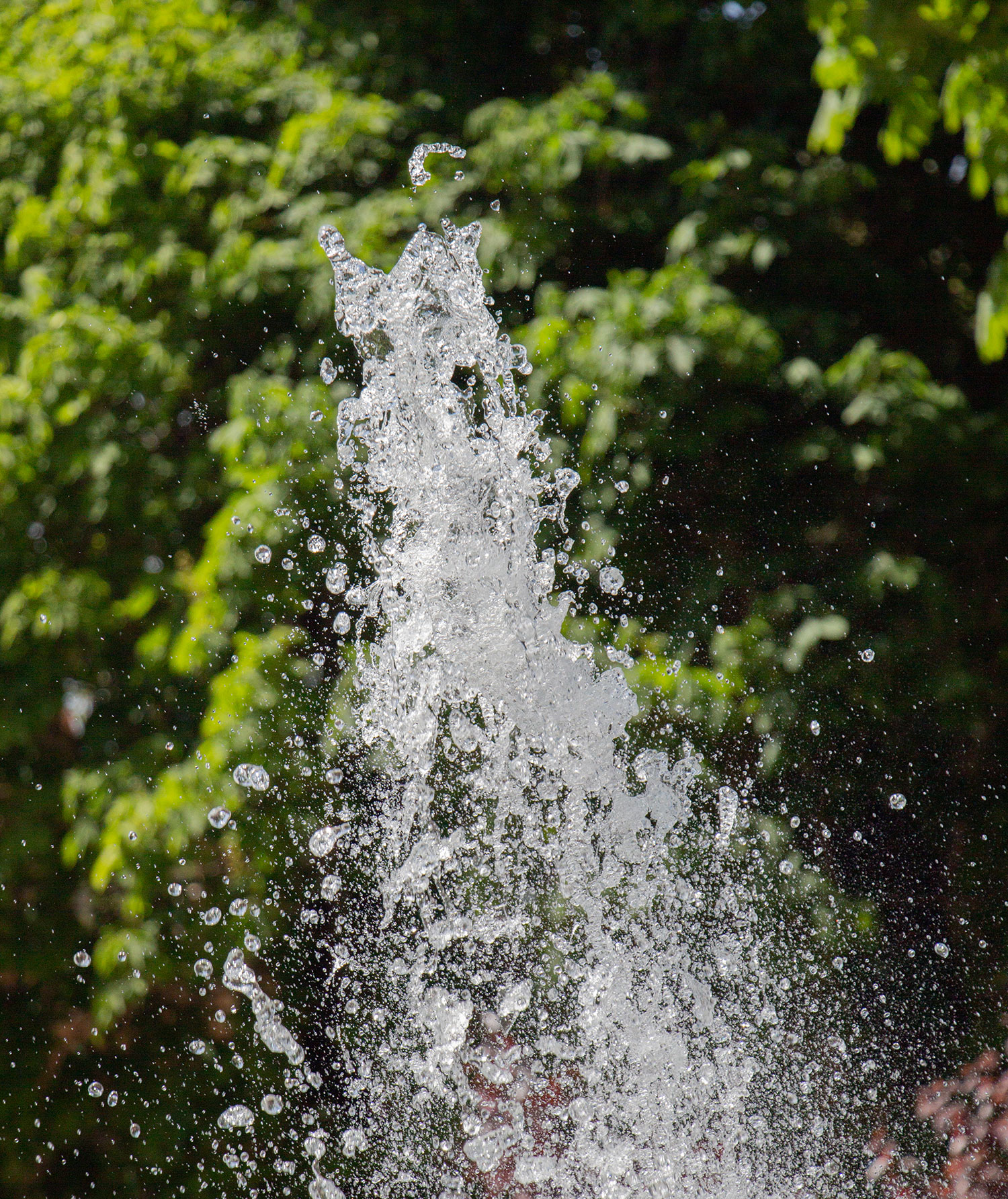
Water management has guided the farm from its first design decisions. Finca La Esperanza is built to slow the movement of rain, spread it across the site, and increase how much water infiltrates into the ground. This creates a lasting reserve of moisture in the soil and supports the biology that makes the farm productive.
Contour water capture ditches follow the natural lines of the terrain, holding water and nutrients where they can support nearby planting. Water retention basins connect upstream catchments and extend the value of the wet season. Vetiver grass stabilizes slopes, controls erosion, creates habitat, and builds valuable biomass around the productive systems.
The farm’s water work supports the broader Nosara River watershed. Rainwater is held at strategic points across the land, then follows its natural course through a landscape that is better prepared to keep it, use it, and grow with it.
Water retention systems that capture millions of litres of rain each year.
Connected structures that hold water and extend the effects of the wet season.
Ditches that distribute water and nutrients while supporting groundwater recharge.
Deep rooted planting that supports soil cover, erosion control, habitat, and moisture.
Already Growing
Finca La Esperanza is a working farm today. The early agroforestry systems, water retention work, nursery, soil building, and planting are already creating a more productive and biodiverse landscape. Each season adds another layer of food, shade, habitat, and resilience.
The numbers tell part of the story. The fuller story is visible in the land itself. Young trees are establishing their canopy. Fruit is coming into the system. Grasses are holding slopes. Support species are feeding the soil. The farm is becoming the mature, generous landscape it was designed to be.
1,750+
Fruit trees, including plantain, citrus, and jackfruit.
30+
Fruit species such as mango, avocado, breadfruit, cacao, and citrus.
10,000+
Trees and plants growing shade, habitat, soil nutrients, and future food.
1,000+
Musaceae plants, including plantain, banana, and cuadrado.
700+
Pineapple starts growing alongside the young food forest.
A Circular Food System
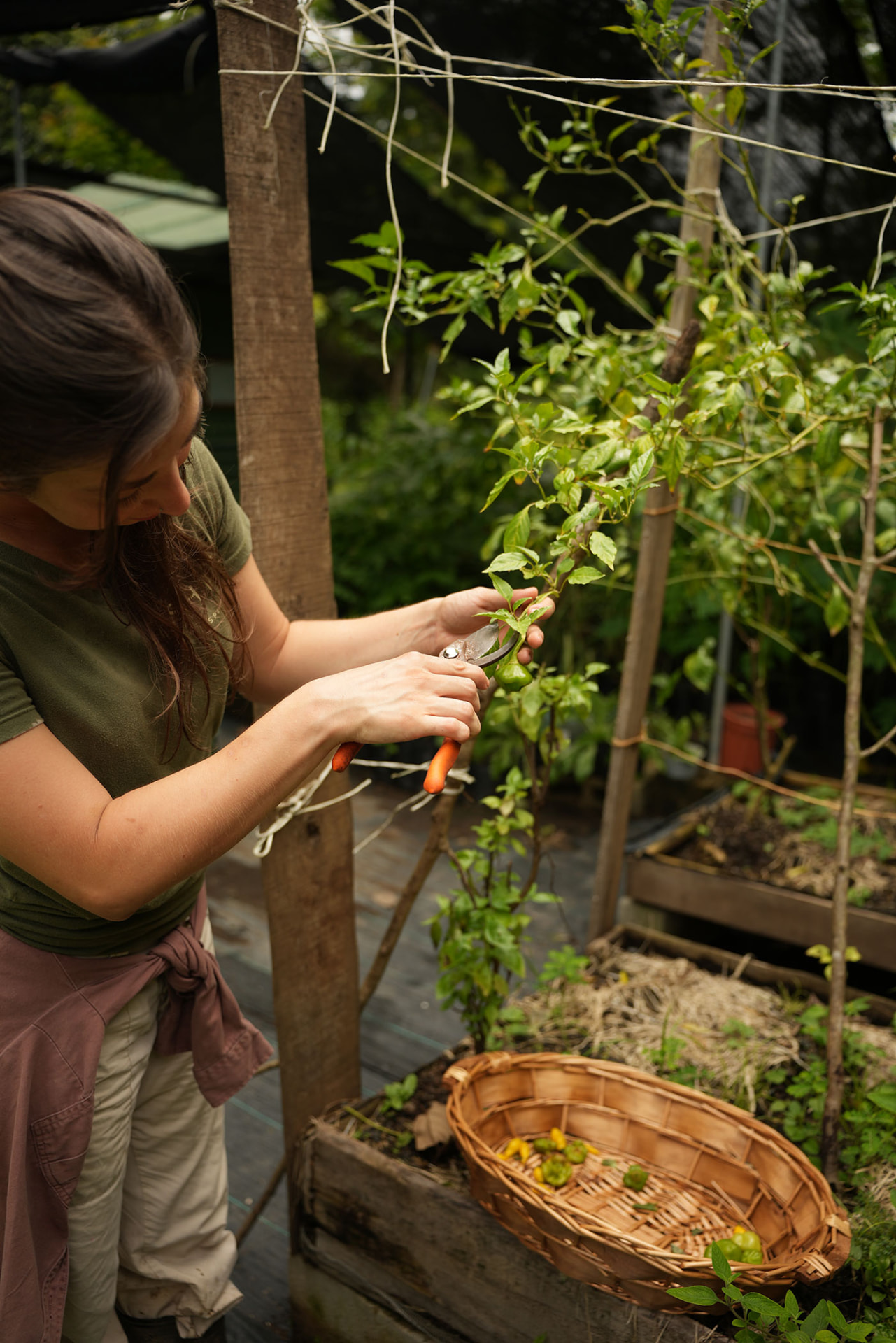
Finca La Esperanza is designed around a complete food cycle. Fresh food is grown in the farm. Organic material from the community is processed and returned to the land as soil fertility. That richer soil supports the next generation of planting, bringing the cycle full circle.
By 2030, the farm plans to expand its biofactory capacity to process organic residues from up to 400 people each year. This system will support the farm’s composting and soil fertility work while helping the community keep valuable organic material in the living landscape around it.
This is what a regenerative food system looks like in practice. Food, soil, water, and community become part of one continuing cycle of care.
The Farm Vision: 2026 to 2033
The farm has a clear, phased plan for food production, land stewardship, and community impact. Between 2026 and 2028, the team will establish one new agroforestry system each year, reaching approximately 4,500 square metres of new growing area and planting an estimated 700 additional trees.
By 2030, the farm is planned to reach operational self sufficiency, covering its own costs through production and established systems. By 2033, approximately 240 square metres of greens production will be complete, adding fresh harvests to the fruits, staple crops, and food forest already growing across the farm.
At full production, Finca La Esperanza is projected to grow more than 76,000 kilograms of food each year. That represents up to 30% of the annual caloric needs of approximately 412 people. It is an ambitious plan, grounded in the systems already taking shape on the land.
New agroforestry systems and approximately 700 additional trees.
Operationally self sustaining farm and biofactory capacity for 400 people.
More than 76,000 kilograms of annual food production and greens production at scale.
A Landscape That Keeps Evolving
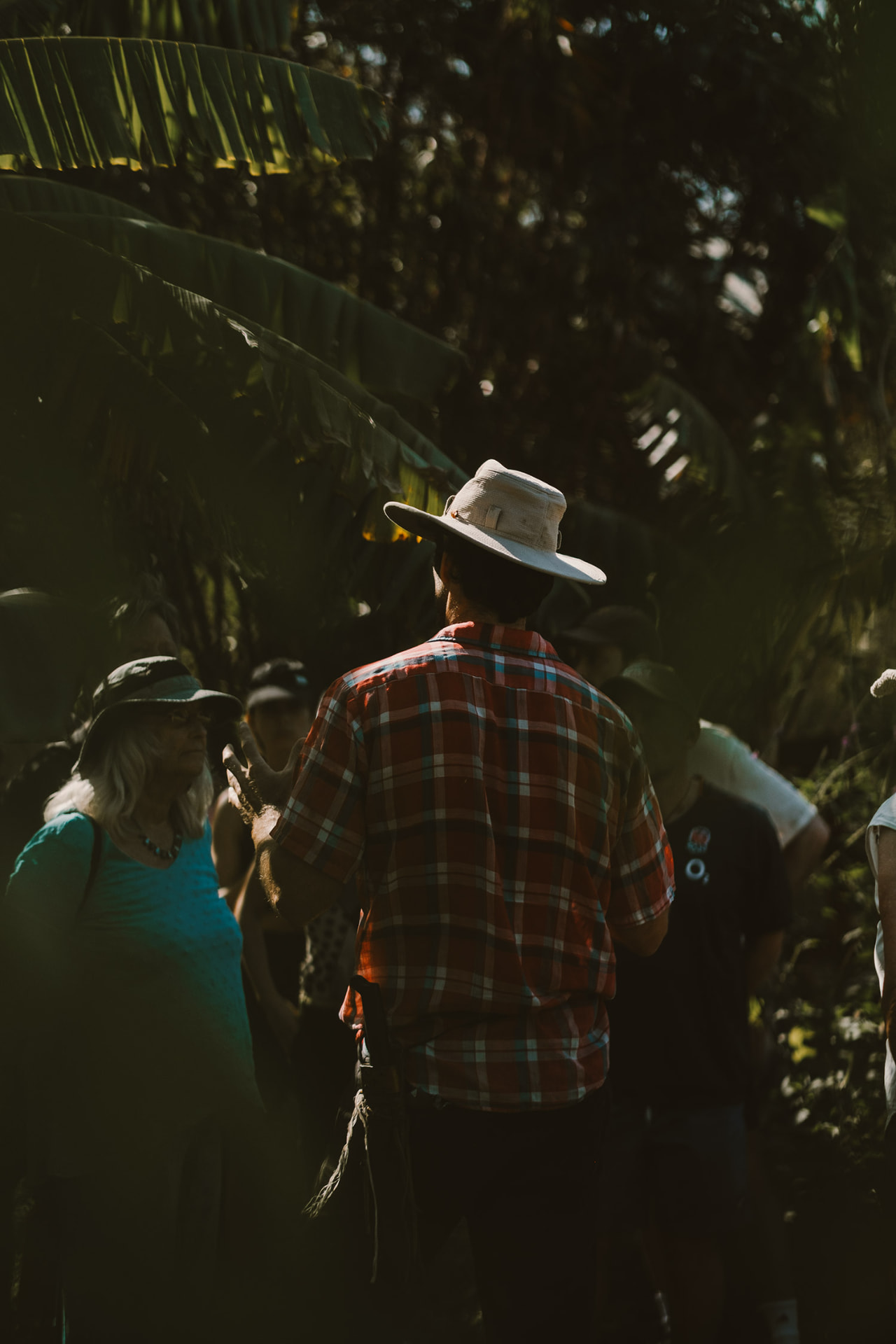
Finca La Esperanza is designed to evolve with the needs of the Shift community. Future growing areas include cacao focused agroforestry, mixed fruit orchards, annual production gardens, staple crops, native overstory and habitat planting, and a model homestead production garden for the farm manager.
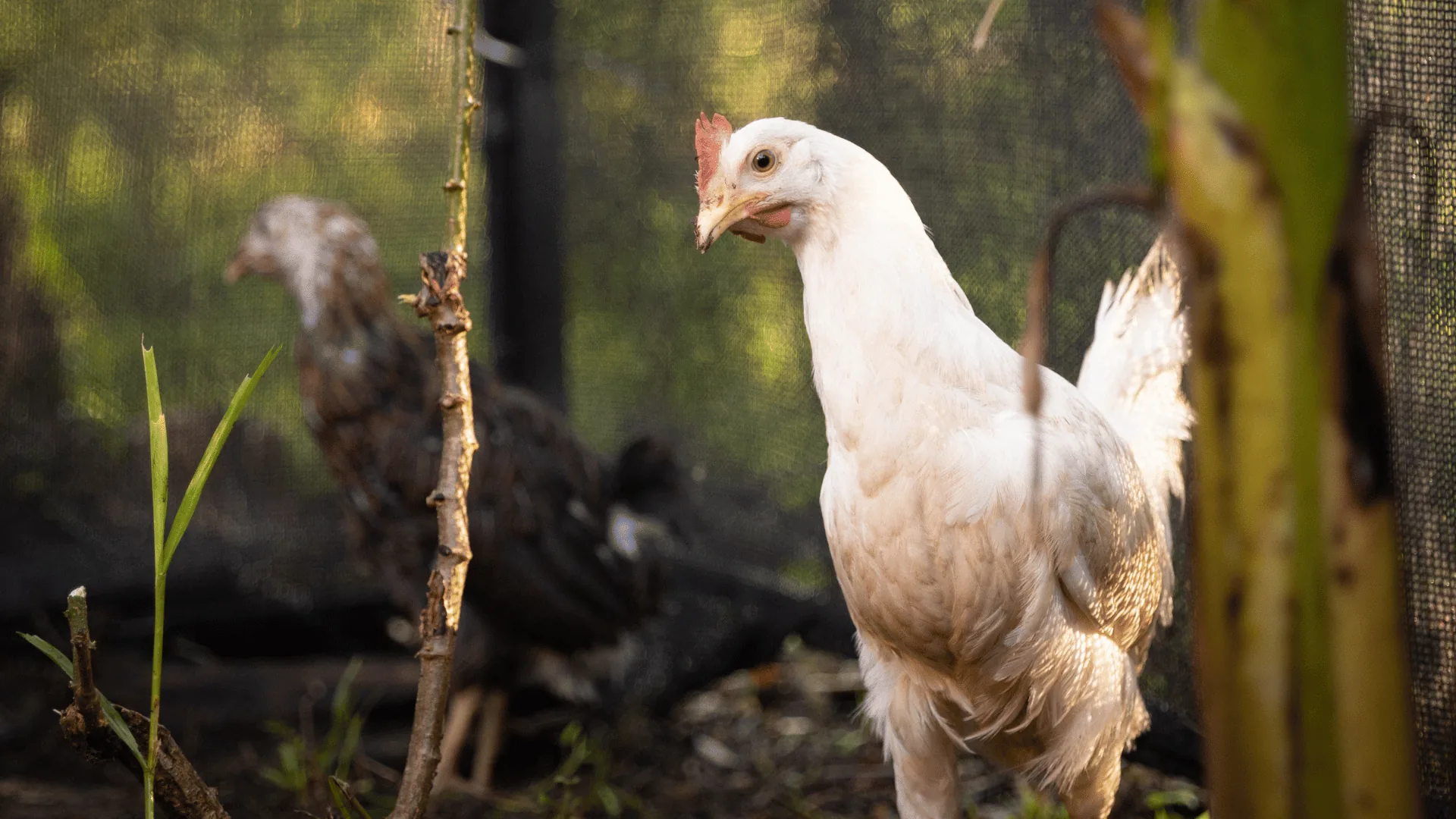
The long term plan also creates room for carefully integrated animal rotations, grain and pulse crops, and a growing influence across the wider community landscape. As the farm takes on more space each year, the relationship between restoration and agriculture becomes even more complete.
Rooted in Local Knowledge
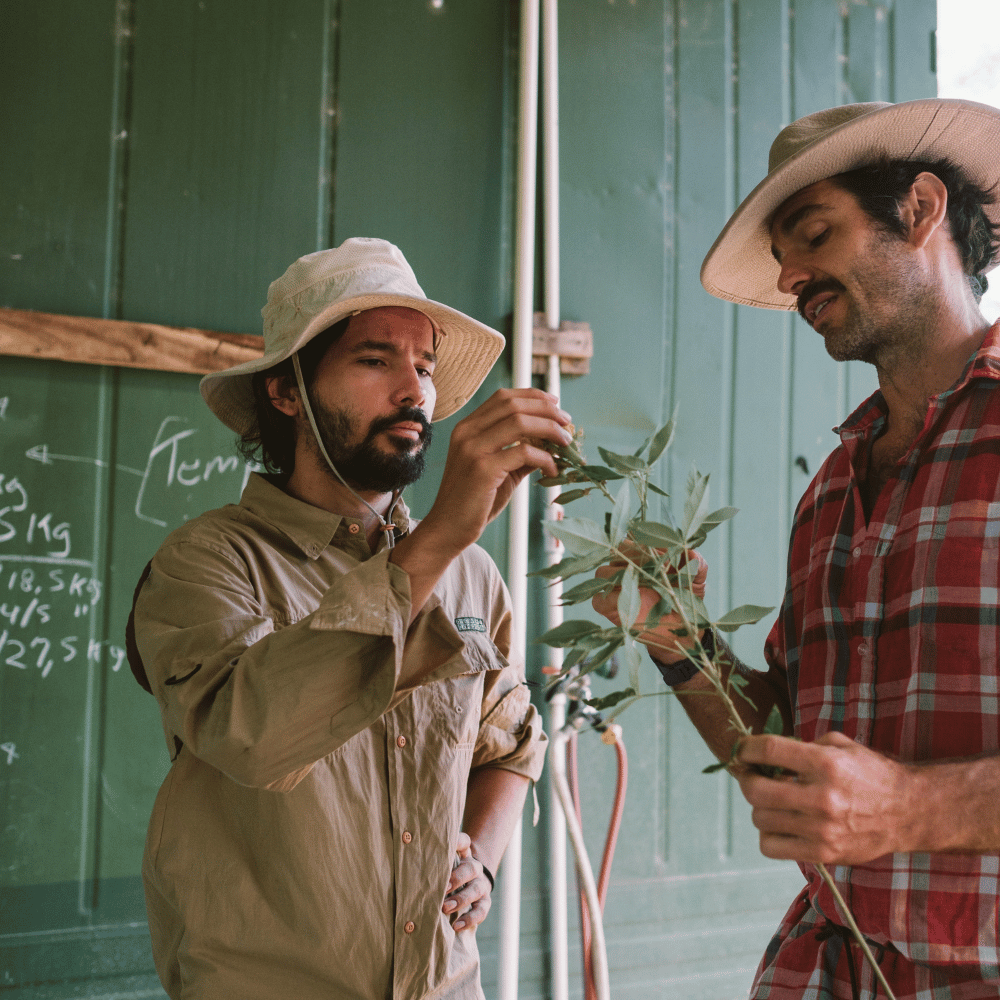
Finca La Esperanza is guided by expertise in agroforestry, water systems, organic production, soil biology, and equatorial land management. The farm team combines agricultural skill with close, daily observation of the land, responding to what each season, planting, and water system requires.
The team includes a Costa Rican farm manager, agronomic expertise in organic and permaculture practice, a water systems and landscape specialist, and local agricultural team members who know this region and its working landscapes. Their care makes the farm real every day.

Come Closer to the Source
At Finca La Esperanza, the farm is already growing food, building soil, holding water, and creating habitat for the community that will call Shift home. It is a working expression of the vision behind the entire project.
Come walk the rows, see the water systems in action, and experience the regenerative farm at the heart of Shift Esperanza.